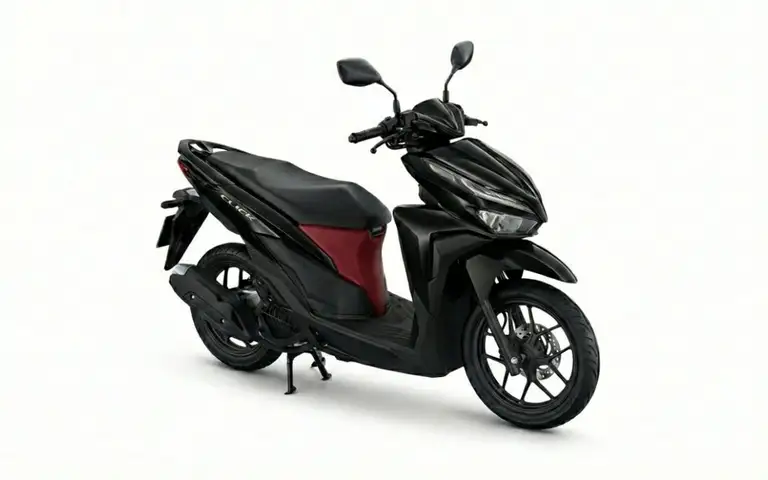
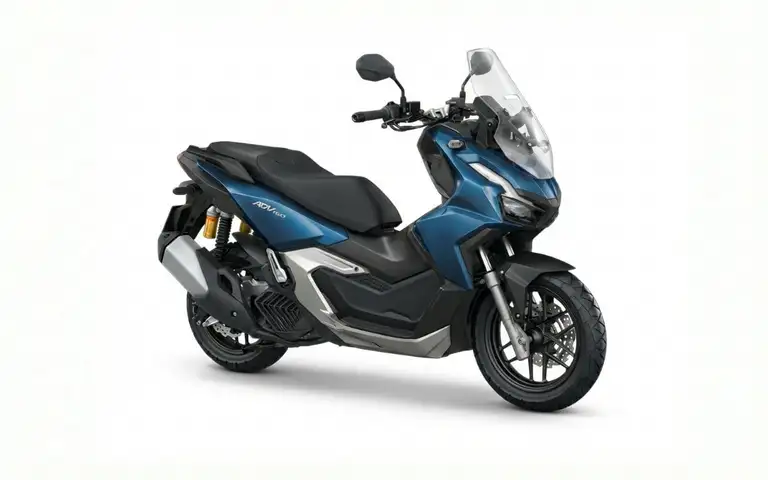
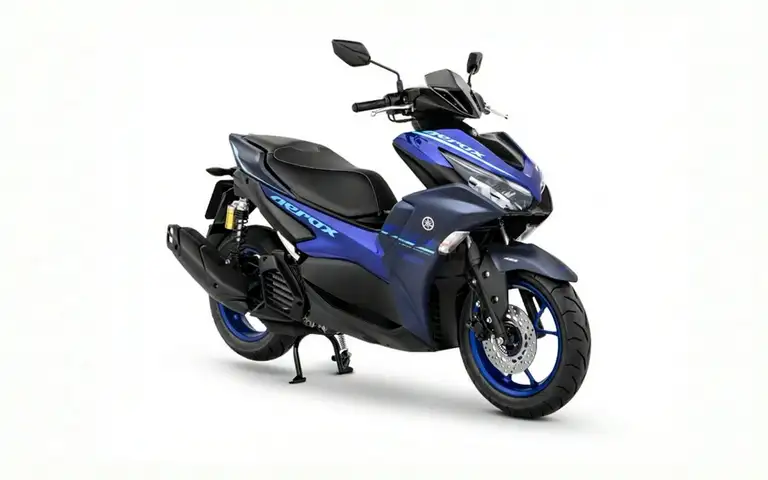
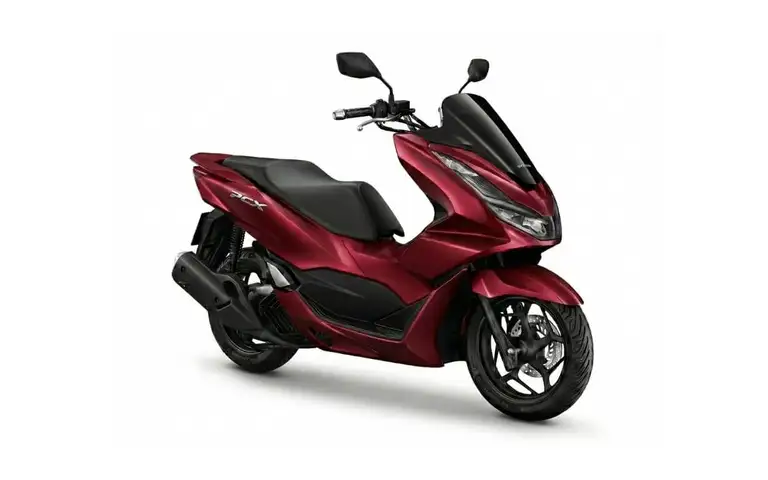
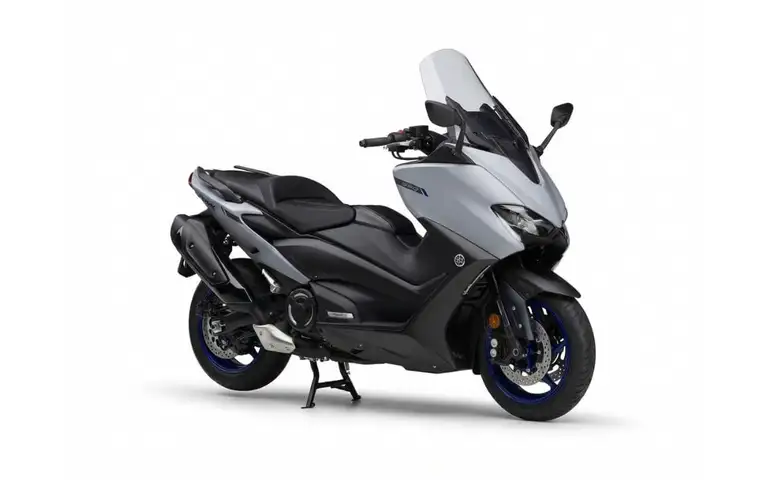
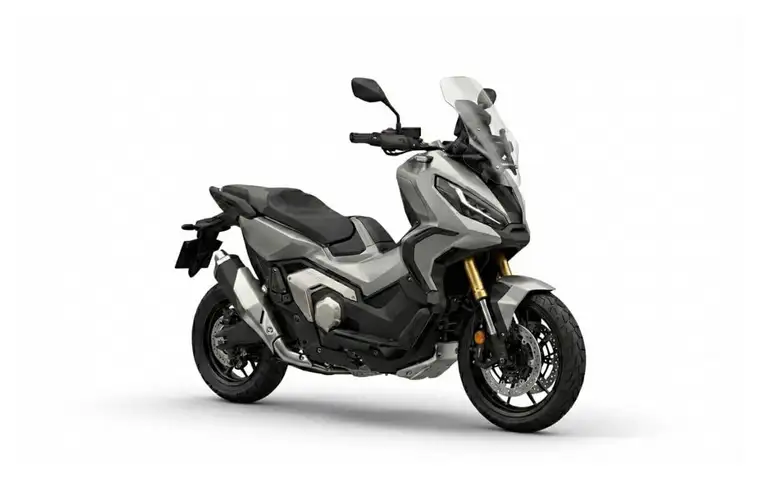
Quick answer: On Rentbox, motorbike rental Koh Samui starts at 300 THB per day for a Honda Click 125. Common 125–160cc automatics are 300–550 THB, 300–350cc scooters are 900–990 THB, and 560–750cc bikes are 1,990–2,000 THB. Other shops sometimes advertise an older 125cc around 250 THB. Deposits and delivery depend on the model.
| Motorbike class | Rentbox daily price | Usually suitable for |
|---|---|---|
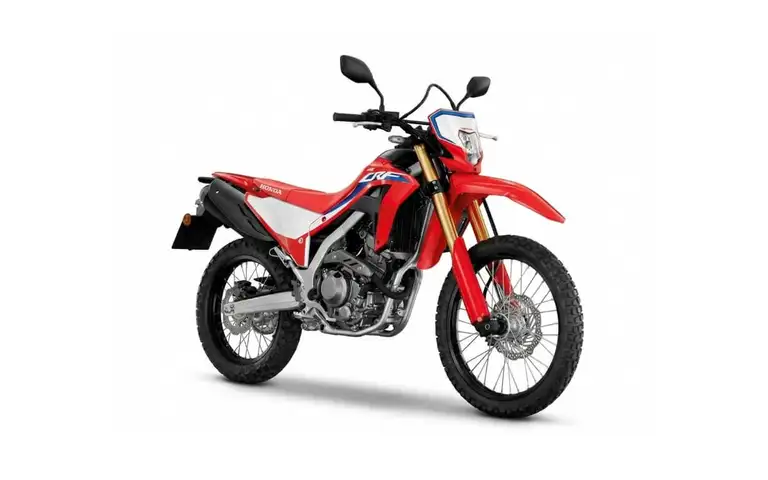
| 125–160cc automatic | 300–550 THB | Everyday island journeys |
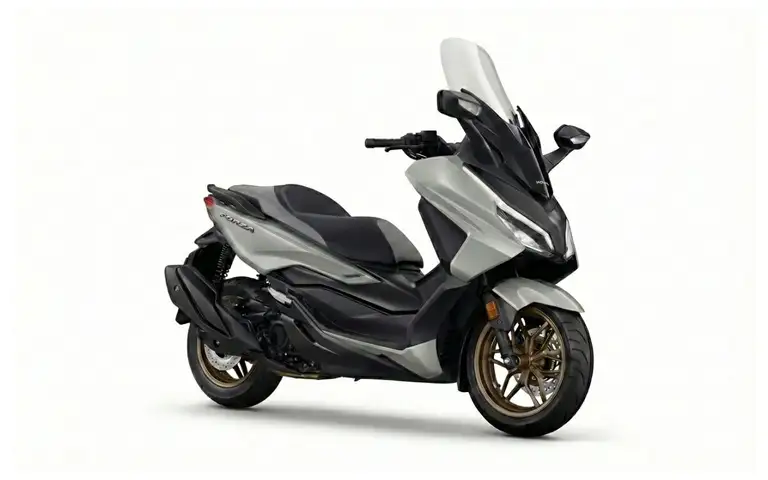
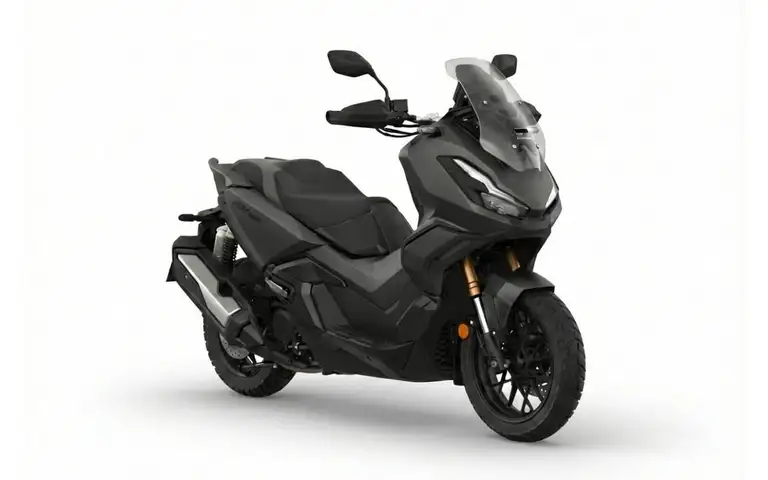
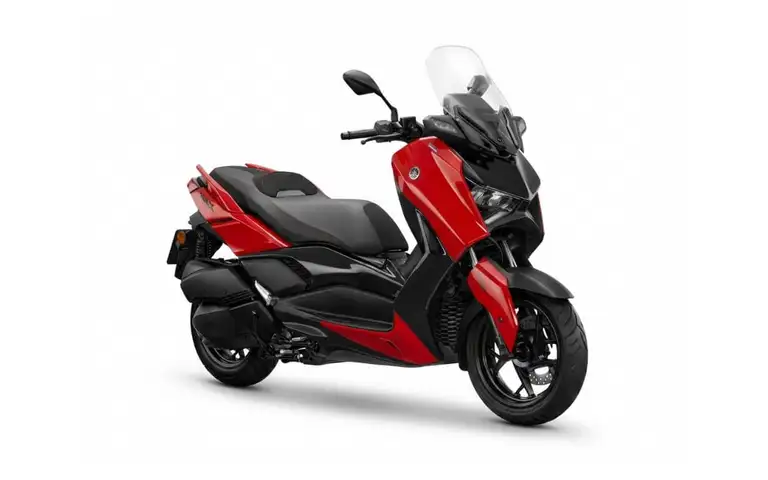
| 300–350cc scooter | 900–990 THB | Experienced riders, longer trips |
| 560–750cc motorbike | 1,990–2,000 THB | Highly experienced riders only |
See current prices, deposits and delivery on motorbike rental Koh Samui.
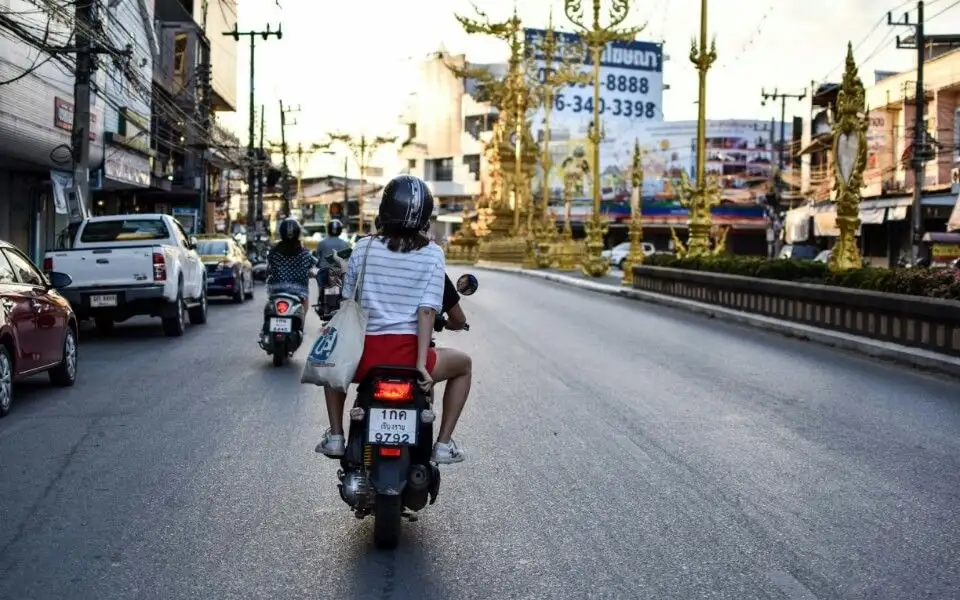
Hi, I’m Ploy. I run a local rental agency and help people get around safely, mostly on motorbike. One of the most common questions I hear from travelers arriving on the island is: “What should I expect to pay for a scooter on Koh Samui?”
It sounds like a simple question, but the truth is a bit more nuanced. Prices vary, advice online is often outdated, and one rushed decision can easily turn into stress, extra costs, or even an accident. So let me explain this the same way I would explain it to a friend visiting me in Samui.
What does scooter rental cost in Koh Samui?
In real, everyday conditions, daily scooter prices usually fall between 250 and 2000 THB. Compare motorbike rental Koh Samui before booking.
That’s the honest range you’ll see across the island. Anything cheaper or more expensive usually comes with a reason, and it’s important to understand what you’re actually paying for.
Daily, weekly and monthly rates
This is where many visitors overpay.
| Rental length | What usually happens |
|---|---|
| 1–3 days | Highest daily price |
| 7+ days | Lower daily rate if you ask |
| Around 30 days | Common locally, and much cheaper per day |
If you are staying more than a week, ask for a weekly or monthly price when you request a listing in Koh Samui. Any normal shop on the island expects that question.
What scooter types and price ranges can you find on the island?
Not all motorbikes are the same, even if they look similar at first glance.
- Older automatic scooters (125cc): 250–300 THB/day
- Newer, well-maintained scooters (125–160cc): 300–550 THB/day
- Medium size bikes (300–350cc): 900–1,000 THB/day
- Big bikes (560–750cc): around 2,000 THB/day
For most visitors, a 125cc automatic is enough for the main beach towns. Compare live prices on the Koh Samui rental listings.
Does location on the island affect the rental price?
Prices also depend on where you rent:
- Chaweng & Lamai – convenient but more tourist-focused, usually higher prices
- Bophut & Maenam – better balance of quality and price
- Less touristy areas – cheaper, but bikes may be older
This is why prices for bike rental in Koh Samui can look confusing online. Two places on the same island can feel like completely different markets.
The “cheap rental” mistake I see all the time
I’ve watched too many holidays go downhill because someone chose the cheapest option without checking the bike.
Common problems include:
- Bald tires (very dangerous on wet roads)
- Weak or uneven brakes
- No clear rental agreement
- Passport taken as a deposit
- Damage claims that appear only after you return the bike
A motorbike that costs a bit more per day but is well maintained is almost always the cheaper option in the long run.
What a fair motorbike rental should include?
Before you ride away, always check:
- Helmet in decent condition
- Brakes working smoothly
- Lights and indicators functioning
- Tires with visible tread
- Existing scratches documented (photos or video)
If the owner gets impatient when you inspect the bike, that’s usually a sign to walk away.
How to rent a scooter in Koh Samui safely?
This is the exact advice I give to all my friends:
- Choose places with several bikes and clear pricing
- Never leave your passport as a deposit (cash is normal)
- Take photos or a short video before riding off
- Ask what happens if the bike breaks down
- Ride slowly on your first day, Samui roads can surprise you
A very honest word about insurance
Most motorbike rentals in Thailand do not include full insurance.
This means:
- You are usually responsible for damage
- Medical bills depend on your travel insurance
- Traffic fines are always your responsibility
If you have little or no experience riding scooters, I’ll say something that might surprise you: sometimes a taxi or songthaew is the safer choice.
I say this as someone who rents motorbikes for a living.
Final thoughts from me
Renting a scooter on Koh Samui doesn’t have to be stressful or risky.
Most problems come from rushing, choosing the cheapest option, or ignoring small warning signs.
Take your time. Ask questions. Choose a bike you actually feel comfortable riding.
When you are ready to compare current models, deposits and delivery, use the Koh Samui listings on Rentbox.
From years of experience, I can tell you one thing for sure:
a calm, informed rider always has a better trip.